Gypsy Moon: Crafting Atmosphere with a Spooky Display Font
Understanding the Raw, Pointy Aesthetic
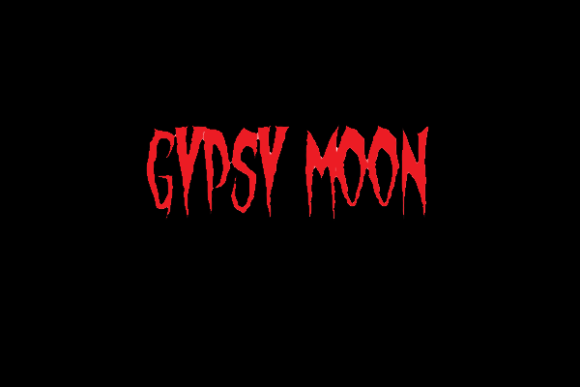
When you are building a brand or designing a campaign, the typography you choose acts as the voice of your visual message. Standard serif fonts and sans serif fonts have their place for body copy, but when you need to make a statement, you need a display font with serious presence. Gypsy Moon, a premium font created by Chad Savage of Sinister Fonts, is exactly that kind of typeface. It is not designed to be quiet or polite; it is a heavyweight display font that commands attention through its irregular sizing and aggressive, pointy edges.
The defining characteristic of Gypsy Moon is its refusal to sit still on the baseline. The characters feature varying heights and weights, mimicking the organic imperfection of hand-crafted lettering. This lack of uniformity gives the typeface a raw, gritty texture that feels authentic rather than manufactured. The sharp, jagged terminals and spiky serifs create a visual tension that is undeniably spooky. It captures a vibe that sits somewhere between classic horror movie posters and grungy, underground rock gig flyers. If you are looking for a typeface that feels dangerous, mysterious, or steeped in folklore, this font delivers that personality immediately.
Where Gypsy Moon Fits Best in Modern Design
In the realm of modern typography, versatility is often praised, but distinctiveness is what creates memorability. Gypsy Moon excels in specific scenarios where atmosphere is more important than legibility at small sizes. Because it is a heavyweight display font, it functions best as a headline or hero text. It is an excellent choice for logo design when the brand identity revolves around themes of mystery, the occult, vintage carnival aesthetics, or alternative fashion. Think of a boutique clothing line, a magic shop, or a podcast about unsolved mysteries—this typeface sets the mood before the audience even reads the copy.
Beyond logos, this creative font shines in packaging design. For products like craft beers, hot sauces, artisanal spirits, or Halloween-themed goods, the jagged, hand-hewn look of Gypsy Moon suggests something potent and high-quality. It implies that the contents are not mass-produced but have character. It is also a strong contender for editorial design, particularly for book covers in the horror, fantasy, or thriller genres. The spiky letterforms evoke a sense of danger that pairs perfectly with dark imagery.
For digital creators, Gypsy Moon is a powerful tool for social media graphics. In a feed dominated by clean, minimalist sans serif fonts, a heavy, textured display font stands out. It is perfect for YouTube thumbnails, event announcements, or album art covers. However, it is crucial to treat this font as an accent. Using it for long paragraphs in web design would be a mistake, as the irregular sizing and pointy edges can cause eye strain. Instead, use it for pull quotes, headers, and section titles to break up the monotony of standard body text.
Practical Application: Pairing and Readability
One of the most common mistakes designers make with heavy, ornate fonts is pairing them with the wrong secondary typeface. Gypsy Moon has a very specific, high-energy personality. If you pair it with a complex script font or another decorative serif font, the result will be visual chaos. The best approach is contrast. To let Gypsy Moon breathe, pair it with a clean, geometric sans serif font. The simplicity of the sans serif will act as a neutral canvas, allowing the intricate, pointy details of the display font to take center stage.
When evaluating project fit, always consider the brand identity you are trying to build. If the brand voice is "friendly and approachable," Gypsy Moon is likely the wrong choice. But if the voice is "edgy, mysterious, or rebellious," it hits the mark. Before committing to the font for a client project, it is wise to test the specific words you will be using. Because the characters have different sizes, certain letter combinations might create awkward spacing. A good designer will manually adjust the kerning (the space between letters) to ensure the word remains readable while maintaining its chaotic charm.
Commercial Use and Licensing Considerations
For entrepreneurs and small business owners, understanding the licensing of design assets is critical. Gypsy Moon is a commercial font, meaning you need to purchase the appropriate license to use it in your business materials. Whether you are using it for a client’s logo, your own merchandise, or digital products, ensuring you have the correct rights protects you legally.
When you download a premium font like this from a source like Behance or a foundry site, check what is included in the package. Does it include alternate characters? Are there different weights? While Gypsy Moon is primarily known for its single, heavy aesthetic, sometimes designers include variations that can help extend the utility of the typeface. Always read the license agreement regarding modification. If you need to outline the text and warp it further for a specific artistic effect, verify that the license permits derivative works.
Final Thoughts on Using Gypsy Moon
Typography is about finding the right tool for the right job. You wouldn't use a sledgehammer to hang a picture frame, and you wouldn't use Gypsy Moon to write a business report. But when you need to smash through the noise and grab a viewer by the collar, this font is the perfect weapon. It offers a distinct, handcrafted feel that adds instant depth to any creative project. By using it strategically for headlines, logos, and branding elements, you can leverage its spooky, heavyweight personality to create designs that are not just seen, but felt.