Chiki: A Playful Display Font for Creative Projects
When you’re working on a project that needs a bit of personality, the typeface you choose can make all the difference. A font like Chiki, a modern and playful display font from Kong Font Studio, is designed for exactly those moments. It’s not for body text in a long report; it’s for headlines, logos, and short, impactful statements where you want to inject energy and approachability. If you’re a designer, crafter, or small business owner looking for a creative font that feels contemporary and fun, Chiki is worth a closer look.
Understanding Chiki's Visual Character
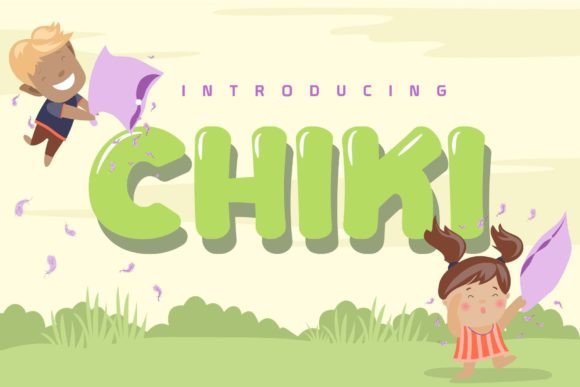
At its core, Chiki is a display font. This means it’s optimized for larger sizes where its unique characteristics can shine. Think of it as the opposite of a workhorse sans serif font or a traditional serif font meant for paragraphs. Its letterforms often feature soft, rounded terminals and a slight irregularity that avoids looking sterile. The overall impression is friendly, casual, and slightly whimsical without being childish. This balance is key—it appeals to a mature audience that appreciates creativity but still needs to communicate professionalism.
The visual style of Chiki leans into modern typography trends that favor warmth and human touch. You might notice subtle variations in stroke width or baseline that give it a handcrafted feel, setting it apart from rigid geometric typefaces. This quality makes it an excellent premium font choice for projects where you want to convey authenticity and approachability. It’s the kind of typeface that can make a brand feel instantly more relatable.
Where Chiki Works Best: Practical Applications
Knowing a font’s personality is one thing; knowing where to use it is another. Chiki’s strength lies in its versatility across various design assets where a touch of playfulness is an asset, not a liability.
- Logo Design and Brand Identity: For startups, lifestyle brands, pet stores, bakeries, or any business that wants to project a friendly and modern image, Chiki can form the core of a brand identity. It works beautifully for a logotype or as a secondary font for taglines. Its distinctive shape aids in brand recognition.
- Editorial and Packaging Design: Imagine a cookbook, a children’s activity book, or the packaging for a artisanal snack. Chiki’s playfulness can make cover titles and product names pop. In packaging design, it helps products stand out on a shelf by feeling approachable and crafted.
- Digital and Social Media: In the fast-scrolling world of social media, capturing attention is critical. Chiki is fantastic for social media graphics, Instagram story headers, YouTube thumbnails, and website banners. Its readability at medium sizes ensures your message gets across quickly. For web design, it’s ideal for hero sections or call-to-action buttons where you need impact.
- Crafting and Personal Projects: This is where Chiki truly excels for hobbyists. It’s highly compatible with tools such as Photoshop and Silhouette Design Studio. Crafters can use it for creating custom vinyl decals, personalized gifts, wedding invitations, greeting cards, and scrapbooking elements. Its clean lines ensure it cuts well on a Cricut or Silhouette machine.
Pairing, Readability, and Making It Work
A common question with any display font is how to use it effectively without sacrificing clarity. Here’s some practical guidance for working with Chiki.
Font Pairing Strategies
Chiki’s playful nature means it pairs best with cleaner, more neutral fonts. A classic approach is to combine it with a simple sans serif font for body text. For example, using Chiki for a headline and a font like Montserrat or Lato for the accompanying paragraph creates a clear visual hierarchy and ensures readability. Avoid pairing it with another highly decorative script font or handwritten font, as this can create visual clutter and confusion.
Readability Considerations
While Chiki is legible, it’s not designed for small body copy. Its details are meant to be seen. Use it for headlines, subheads, pull quotes, and short phrases. Always test it at the intended size. In web design, ensure there’s sufficient contrast and spacing. For print projects, check how it reproduces in your chosen paper stock and printing method.
Evaluating Project Fit
Ask yourself: Does my project’s tone need a dose of friendliness and creativity? If you’re designing a legal contract or a formal annual report, Chiki is likely the wrong choice. But if you’re creating a marketing flyer for a community event, branding for a craft brewery, or packaging for organic dog treats, its personality is a perfect match. It influences brand perception by making a business feel more human and less corporate.
Styles and Commercial Licensing
When you acquire a premium font like Chiki, check what’s included. Often, such fonts come with multiple styles (like regular, bold, or italic) and extensive character sets with punctuation, numbers, and multilingual support. Crucially, review the commercial font license. This tells you how you can use the font—whether for a single client project, unlimited personal and commercial projects, or for creating physical goods to sell. Kong Font Studio provides clear licensing details on the Creative Fabrica page, which you should always read before finalizing a project.
In the end, choosing a font like Chiki is about adding a specific voice to your work. It’s a tool that, when used thoughtfully, can elevate a design from merely functional to genuinely engaging. Its strength is in its ability to communicate warmth and modern creativity, making it a valuable asset in any designer’s or crafter’s toolkit for the right kind of project.