Cut Out: The Display Font That Creates Unforgettable Depth
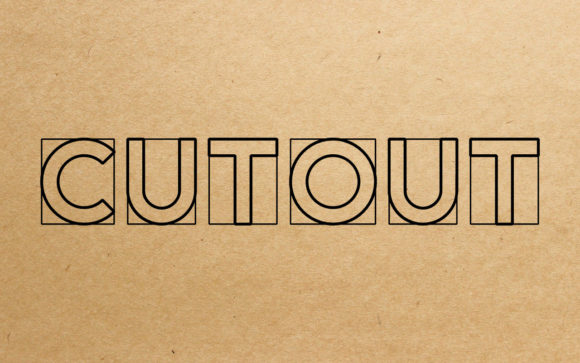
In the crowded landscape of modern typography, finding a typeface that truly stops the scroll is a rare occurrence. Most designers accumulate a library of standard sans serifs and reliable serifs, but there comes a point in every project where standard isn't enough. Enter Cut Out. Designed by Peter Wiegel, this typeface is not merely a set of letters; it is a visual experience. It features outlined cutout letters that simulate a stencil effect, offering a stunning display capability that breathes life into otherwise flat designs. It strikes a delicate balance between industrial edge and artistic elegance, making it a versatile tool for creatives ranging from brand strategists to hobbyists.
The Anatomy of Visual Impact
When you first look at Cut Out, you notice the negative space. Unlike a heavy block font that demands attention through sheer mass, this premium font commands attention through structure. The characters are well-balanced, with consistent line weights that create a uniform texture across headlines and titles. This isn't a chaotic or distressed grunge font; it is clean, precise, and intentional. The "cutout" effect gives the letters a sense of dimensionality, as if they have been carefully sliced from paper or vinyl. This creates a tactile quality that digital screens often lack.
For designers focused on brand identity, the personality of a font speaks volumes before a single word is read. Cut Out projects confidence, creativity, and modernity. It avoids the rigidity of standard geometric sans serifs while maintaining a professional edge. It works exceptionally well for audiences aged 20 to 50 who appreciate contemporary design but require legibility. Whether you are a small business owner looking to rebrand a product line or a content creator designing a thumbnail, the visual appeal of this typeface lies in its ability to look expensive and custom-made without the associated cost of bespoke lettering.
Strategic Applications: Where Cut Out Shines
Understanding where to deploy a display font is just as important as choosing it. Because of its outlined nature, Cut Out is best suited for high-impact, short-form text. Think logos, hero sections on websites, packaging headers, and magazine mastheads. In the realm of web design, using this typeface for H1 or H2 tags can instantly elevate the perceived value of the content. It pairs beautifully with clean backgrounds, allowing the unique character shapes to stand out, or over high-contrast imagery where the negative space within the letters allows the background to peek through.
For entrepreneurs and marketers, the font offers a distinct advantage in social media graphics. Platforms like Instagram and Pinterest are visually noisy. A standard script font or handwritten font might get lost in the shuffle, but the stencil-like quality of Cut Out creates immediate visual hierarchy. It is excellent for sale announcements, event posters, or quotes that need to be read quickly. In packaging design, particularly for artisanal goods, cosmetics, or streetwear, this typeface adds a layer of texture that mimics embossing or die-cutting techniques, signaling quality to the consumer.
Font Pairing and Hierarchy
No font is an island. Even the most creative font needs support from the rest of the design system. Cut Out performs best when paired with something simple and understated. Because it has a strong visual personality, combining it with another decorative font—like an ornate serif font or a busy script—can result in visual clutter. Instead, pair it with a clean sans serif font or a neutral serif font for body copy. For example, using Cut Out for a headline and a standard Helvetica or Open Sans for the subtext creates a balanced hierarchy that guides the reader's eye naturally.
This approach ensures that the design remains professional. If you are working on an editorial design project, such as a magazine spread or a blog layout, using Cut Out for pull quotes or section headers breaks up the monotony of long-form text. It acts as a visual anchor, signaling to the reader that they have entered a new section of content. The key is moderation; overusing the cutout effect can tire the reader's eye, but used strategically, it enhances the reading experience.
Technical Considerations and Practical Usage
While the aesthetic is paramount, practical considerations must be addressed. As a display font, Cut Out is not designed for long paragraphs of body text. The outlined nature of the letters means that at very small sizes, the "cut" details may become muddy or difficult to read, potentially causing eye strain. Always test your typography at the size it will be viewed. If you are designing for mobile screens, ensure the font size is large enough that the negative space remains distinct.
Licensing is another critical factor for commercial projects. Cut Out is a commercial font, meaning it requires a license for business use, such as in client work, merchandise, or paid advertising. Always verify the specific license terms provided by the foundry or distributor to ensure compliance. For crafters and hobbyists, check if the license covers the specific use case, such as creating physical goods for sale on platforms like Etsy.
Testing and Evaluation
Before finalizing a design, take the time to test the font in context. Mock up your logo design or social media post using Cut Out and view it on different devices. Check how it renders on high-resolution Retina displays versus standard monitors. Does the outline weight hold up? Does it maintain its character when printed on textured paper? These practical tests are what separate a good idea from a polished, professional execution.
Ultimately, Cut Out by Peter Wiegel is more than just a collection of glyphs; it is a design asset that injects personality and depth into digital and print projects. It bridges the gap between the raw energy of street art and the precision of modern typography. By understanding its strengths and applying it with strategic intent, you can transform your creative ideas from simple concepts into striking visual statements that capture attention and hold it. Whether you are refining a brand identity or crafting a one-off poster, this typeface offers a reliable way to make your work come alive.