Batik Classic: The Cool Decorative Font for Unique Projects
There are moments in design when you need more than just legibility. You need a voice. You need a typeface that speaks before the words are even read, setting a mood and establishing a world. This is where a creative font like Batik Classic enters the conversation. It’s not a workhorse for body text, nor is it a simple script. Instead, Batik Classic is a decorative serif font that carries a distinct personality—one that is cool, incredibly unique, and steeped in a rich, artistic style. For designers, entrepreneurs, and creators looking for a design asset that can truly elevate a project, understanding this font is the first step to unlocking its potential.
Understanding the Visual Personality of Batik Classic
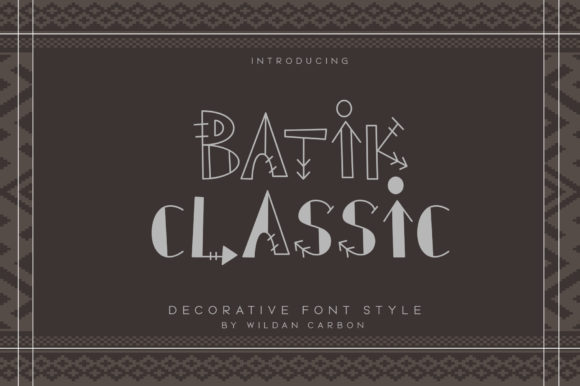
At its core, Batik Classic is a premium font that draws inspiration from traditional textile art, translating intricate patterns into typographic form. Its visual characteristics are defined by a strong serif structure, but the serifs and strokes are often embellished with detailed, sometimes subtle, patterns reminiscent of wax-resist dyeing techniques. The result is a typeface that feels both classic and globally influenced. It doesn't scream for attention with sharp, modern angles; instead, it invites closer inspection with its textured details and balanced proportions.
The personality of this font is one of cultured sophistication and artisanal quality. It feels handcrafted yet refined. This makes it an ideal choice when you want to convey authenticity, tradition, or a touch of exotic elegance. It’s a far cry from the sterile precision of a geometric sans serif font or the casual flow of a handwritten font. Batik Classic occupies a unique space, offering the readability of a serif with the decorative flair of a display font. Its appeal lies in this duality—it is grounded enough to feel professional, yet detailed enough to feel special.
Where Batik Classic Truly Shines: Practical Applications
Knowing where to deploy a font like Batik Classic is key to its effectiveness. Its strength is not in setting long paragraphs of text, where its details might become noisy at small sizes. Instead, its power is in creating impact and defining brand identity at key touchpoints.
Branding and Logo Design
For small business owners and entrepreneurs, a logo is the cornerstone of brand perception. Batik Classic can be a game-changer for brands in specific niches. Think of a boutique hotel, a high-end tea company, an artisanal craft shop, or a travel blog. Using Batik Classic in a logo instantly communicates a story of quality, heritage, and uniqueness. It helps a brand stand out in a sea of minimalist wordmarks, offering a memorable and recognizable identity that speaks to a discerning audience. The font’s inherent style does much of the heavy lifting, allowing a simple logotype to carry significant weight.
Editorial and Publishing Design
In editorial design, visual hierarchy is everything. Batik Classic serves beautifully as a display font for magazine covers, chapter headings in a book, or featured titles in a digital publication. Imagine a food magazine with a cover story on Indonesian cuisine—the font would be a perfect thematic match. For bloggers and publishers, using it for main article titles or pull quotes can break the monotony of standard body text (which could be a clean sans serif font), drawing the reader’s eye to the most important content and enhancing the overall reading experience.
Packaging and Marketing Materials
Product packaging is a silent salesperson on the shelf. A font choice can influence a customer’s perception of the product inside. Batik Classic is exceptionally well-suited for packaging design for goods that want to project a premium, artisanal, or globally-inspired image. This could range from coffee bags and spice jars to skincare products and gift boxes. Similarly, in marketing materials like brochures, event posters, or social media graphics, it can be used for headlines to create an immediate sense of style and intrigue, boosting audience engagement before a single word of the body copy is read.
A Guide to Using Batik Classic Effectively
Integrating a distinctive font into your workflow requires thoughtful consideration. Here’s practical guidance on evaluating and using Batik Classic to ensure it elevates, rather than complicates, your design.
Evaluating Project Fit and Font Pairings
First, assess if the font’s personality aligns with your project’s goals. Is your brand voice sophisticated, traditional, or artistic? If yes, Batik Classic could be a strong candidate. If your brand is minimalist, tech-focused, or ultra-modern, it might create a disconnect.
Second, consider font pairing. Because Batik Classic is so stylistic, it thrives alongside a neutral partner. A clean, geometric sans serif font or a simple, readable serif font for body copy will create a harmonious contrast. The rule of thumb is to let Batik Classic be the star of the show. Pair it with something quiet and functional to ensure your overall design remains balanced and professional. For instance, a heading in Batik Classic followed by a paragraph in a font like Lato or Merriweather can be a very effective combination.
Readability and Licensing Considerations
Always test for readability at the intended size and in the intended medium. What looks stunning as a 72-point headline on a screen might lose its intricate details when printed small on a business card. Conduct tests to ensure the letterforms remain clear and distinct. This is a crucial step for any creative font.
Finally, if you plan to use Batik Classic for commercial projects—a client’s logo, product packaging, or a monetized blog—you must ensure you have the correct commercial font license. Purchasing from a reputable foundry or marketplace guarantees you have the legal right to use the font in your work, protecting both you and your clients. This is a non-negotiable part of professional practice.
In the end, Batik Classic is more than just a collection of glyphs. It’s a design asset with a strong point of view. When used with intention and in the right context, it has the remarkable ability to transform a simple layout into a compelling visual narrative, making it a valuable and inspiring addition to any designer’s toolkit.