Zumanie: Unearthing a Modern Font with Eerie Charm
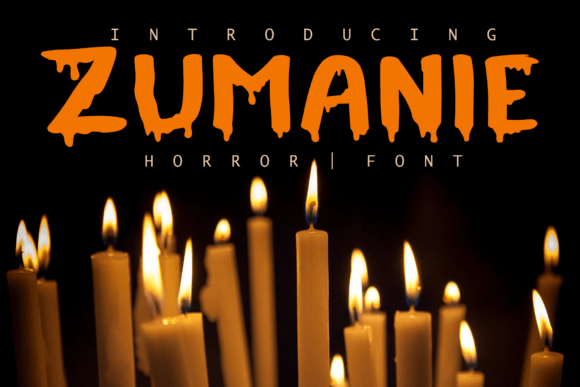
Every so often, a design project comes along that needs a voice that is both contemporary and unsettling. You're not looking for a classic horror font dripping with blood, nor a whimsical, cartoonish Halloween script. You need something that speaks of modern unease, of secrets whispered in dimly lit, stylish rooms. This is the specific niche that the Zumanie typeface occupies, and it does so with remarkable precision. Created by Kong Font Studio, this modern and eerie decorative font offers a unique aesthetic for designers and crafters who want to step beyond the typical and into the truly atmospheric.
Anatomy of an Eerie Aesthetic: What Makes Zumanie Tick?
At its core, Zumanie is a display font, meaning it’s built for impact in headlines, logos, and short-form text rather than for body copy. Its personality is a fascinating study in contrast. The letterforms are clean and possess a certain modern typography sensibility, with smooth curves and a confident structure. Yet, there's an undeniable tension. Certain characters have elongated terminals, subtle sharp angles, or slightly irregular proportions that introduce a feeling of unease. It’s this duality—the marriage of sleek design with a haunting undercurrent—that gives Zumanie its potent character.
Think of it as the typographic equivalent of a well-designed haunted house. The architecture might be modern and minimalist, but the shadows it casts are long and full of mystery. This makes it a premium font asset that doesn’t rely on cheap tricks. Its eeriness is sophisticated, making it suitable for projects that require a touch of the macabre without sacrificing professionalism. Whether you're working on logo design for a boutique escape room or packaging design for a limited-edition craft brew with a dark theme, Zumanie provides a voice that is instantly intriguing.
Practical Applications: Where Zumanie Finds Its Home
The true test of any creative font is its versatility in the real world. Zumanie shines brightest in scenarios where you need to establish a strong, memorable mood. Its compatibility with popular tools like Adobe Photoshop and Silhouette Design Studio makes it highly accessible for both digital and physical crafting.
- Branding and Logo Design: For businesses with a dark, luxurious, or alternative edge—a boutique perfume line, a high-end gothic clothing brand, a mystery-themed subscription box—Zumanie can become the cornerstone of a brand identity. It sets a tone of intrigue and exclusivity.
- Event and Party Graphics: This is where it truly excels for Halloween, but think beyond the cliché. Use it for sophisticated "All Hallows' Eve" gala invitations, stylish haunted attraction signage, or themed restaurant menus. It elevates the event from kitschy to classy.
- Editorial and Publishing: In editorial design, Zumanie can be a powerful tool for magazine covers, chapter headings in thriller or mystery novels, or titles for articles about the paranormal, true crime, or avant-garde art. It immediately signals the content's genre to the reader.
- Digital and Social Media: For web design, it can be used for impactful hero section headlines on sites for escape rooms, haunted tours, or niche entertainment brands. On social media graphics, it can make posts for podcasts, YouTube channels, or products with a dark theme stand out in a crowded feed.
- Crafting and Personal Projects: For hobbyists using a Silhouette or Cricut machine, Zumanie is perfect for creating custom vinyl decals, themed apparel, spooky home décor, and personalized Halloween party supplies that look professionally designed.
It’s important to recognize that Zumanie is not a serif font for a law firm's annual report or a friendly sans serif font for a children's educational app. Its strength lies in its specificity. Using it for a project that doesn't align with its personality—like a cheerful daycare center logo—would create a jarring and ineffective visual message.
Integrating Zumanie: A Designer's Practical Guide
Bringing a commercial font like Zumanie into your workflow requires a bit of strategy. Here’s how to use it effectively without letting its strong personality overpower your design.
- Evaluate the Project Fit: Before you even install the font, ask yourself: Does my project need a voice that is mysterious, modern, and slightly unsettling? If the answer is no, Zumanie is likely not the right choice. Its power is in its focus.
- Master the Font Pairing: A display font like Zumanie demands a partner that can support it without competing. The goal is balance. Pair it with a clean, neutral sans serif font like Montserrat, Lato, or Open Sans for body text. This contrast allows Zumanie’s unique character to shine in headlines while ensuring the main content remains highly readable. Avoid pairing it with another strong decorative, script font, or handwritten font, as this will create visual chaos.
- Test for Readability: Always test the font in context. Its unique letterforms might look stunning in a 72pt headline, but how do they render at smaller sizes, like on a mobile device or a product label? Check the legibility of individual characters, especially at a glance. Sometimes, a slightly increased letter-spacing (tracking) can improve clarity for shorter phrases.
- Review Included Styles: Check if the font package includes different weights or styles (e.g., Regular, Bold, Italic). Having a Bold version can be invaluable for creating a stronger visual hierarchy within your headings and subheadings, adding another layer of control to your typographic system.
- Understand the License: As a premium font from a foundry like Kong Font Studio, Zumanie comes with a commercial license. This is a critical step. Read the license agreement carefully to understand the scope of your rights. Know whether it covers use on websites (as a web font), in digital products for sale, on physical merchandise, and in client work. Proper licensing protects you legally and supports the independent designers who create these valuable design assets.
Ultimately, Zumanie is more than just a collection of glyphs; it’s a tool for storytelling. It allows you to infuse a project with a specific, sophisticated mood that is difficult to achieve with more common typefaces. By understanding its personality, applying it in the right contexts, and pairing it thoughtfully, you can leverage this eerie decorative font to create work that is not only visually striking but also deeply resonant with your intended audience. It’s a testament to how the right typographic choice can do more than convey words—it can shape an entire experience.