Pixo Reto: A Display Font with Bold Character and Modern Edge
When you're working on a project that needs to grab attention immediately, the typeface you choose can make or break the entire design. Some fonts whisper. Others shout. Pixo Reto does something more interesting — it speaks with confidence and clarity, giving your layouts a distinctive personality without overwhelming the rest of your visual composition. If you've been searching for a premium font that bridges the gap between contemporary style and versatile functionality, this one deserves a closer look.
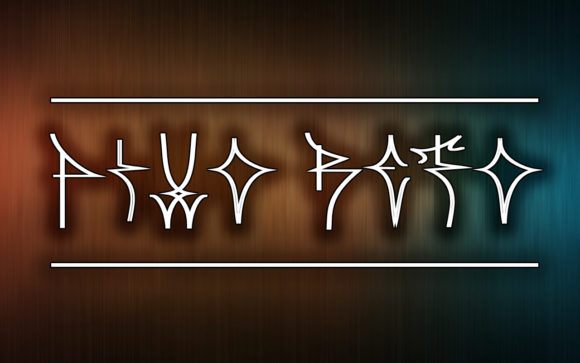
Created by designer Brock Marques, Pixo Reto is a display font built for projects where visual impact matters. Think posters, flyers, packaging headers, event materials, and social media graphics. It carries a geometric sensibility with clean lines and carefully balanced proportions, yet it avoids feeling sterile or overly mechanical. There's an energy to the letterforms — a sense of movement and intention that gives each character purpose. Whether you're setting a headline for a music festival poster or designing the masthead for a lifestyle brand, Pixo Reto brings a level of visual interest that generic typefaces simply can't match.
What Makes Pixo Reto Stand Out in a Crowded Font Market
The typeface world is saturated with options. Free fonts, paid fonts, serif fonts, sans serif fonts, script fonts, handwritten fonts — the choices can paralyze even experienced designers. So what specifically sets Pixo Reto apart?
First, it has a strong sense of identity without being rigid. Many display fonts commit so heavily to a single aesthetic that they become one-trick ponies. Pixo Reto avoids that trap. Its letterforms carry enough personality to anchor a design, but enough restraint to work across different contexts. You could use it for a streetwear brand's logo and then repurpose it for a corporate event invitation, and it would feel appropriate in both scenarios. That kind of adaptability is rare and genuinely useful for designers who juggle multiple clients or project types.
Second, the spacing and kerning are thoughtfully executed. Poor kerning is one of those details that most people can't articulate but immediately feel. Letters that sit too close together or drift too far apart create a subtle sense of unease. Pixo Reto's metrics feel intentional. The rhythm between characters supports readability even at larger display sizes where every fraction of a pixel becomes visible. This attention to spacing reflects the craftsmanship behind the typeface and speaks to its quality as a commercial font.
Where Pixo Reto Works Best: Real Applications for Real Projects
Understanding where a font excels is just as important as understanding how it looks. A typeface that performs beautifully on a computer screen might fall apart in print, or one that shines in large-scale signage might become illegible at smaller sizes. Let's break down the practical applications where Pixo Reto delivers strong results.
Poster and Flyer Design: This is where Pixo Reto truly comes alive. Its bold geometry and confident letterforms command attention at scale. Event promoters, venue owners, and festival organizers will find it particularly effective for music events, art shows, product launches, and community gatherings. The font holds its own against busy photographic backgrounds and colorful graphic elements, which is exactly what you need when designing promotional materials that compete for eyeball time on crowded bulletin boards or social feeds.
Logo Design and Brand Identity: A logo sets the tone for an entire brand, and the typeface within that logo carries enormous weight. Pixo Reto works well for brands that want to project modernity, creativity, and forward-thinking energy. It suits tech startups, creative agencies, fitness brands, entertainment companies, and lifestyle products. That said, it's important to evaluate whether the font's personality aligns with your specific brand values. A law firm or a heritage bakery might want something more traditional, but a design studio or a streetwear label? Pixo Reto could be exactly the right fit.
Packaging Design: Shelf presence matters. Consumers make split-second decisions based on visual cues, and typography plays a massive role in those moments. Pixo Reto can serve as the primary display typeface on packaging for products targeting younger demographics or design-conscious consumers. Beverage brands, snack companies, cosmetics lines, and specialty food products could all benefit from its distinctive character. Pair it with a clean sans serif font for body copy and ingredient lists to create a balanced hierarchy that guides the eye naturally.
Social Media Graphics and Web Design: Digital platforms reward boldness. Thumbnails, headers, story graphics, and banner images all need typefaces that read clearly at various screen resolutions and sizes. Pixo Reto translates well to digital environments, maintaining its visual punch whether it appears as a YouTube thumbnail title or an Instagram story overlay. For web design, it works best as a heading or hero text element rather than body copy, where a more neutral typeface would serve readability better.
Editorial Design and Publishing: Magazine covers, book titles, chapter headings, and section dividers all benefit from typefaces with strong visual presence. If you're a publisher, blogger, or content creator working on editorial layouts, Pixo Reto can inject personality into your page designs without requiring complex graphic elements. A well-set headline in Pixo Reto paired with generous white space can create a striking editorial spread that feels both modern and intentional.
Practical Guidance for Using Pixo Reto Effectively
Choosing a font is only half the equation. Using it well is where the real skill comes in. Here are some practical considerations to keep in mind when working with Pixo Reto.
Font Pairing: Display fonts rarely work in isolation. You'll almost always need a secondary typeface for body text, captions, and supporting information. Pixo Reto pairs well with neutral sans serif fonts like those from the geometric or humanist families. The contrast between Pixo Reto's expressive character and a quiet, readable body font creates a natural visual hierarchy that guides readers through your content. Avoid pairing it with other highly stylized fonts, as competing personalities will create visual noise rather than harmony.
Readability Considerations: While Pixo Reto is well-crafted, it's fundamentally a display typeface. Use it at sizes where its character details remain clear and legible. For very small text — captions, footnotes, legal disclaimers — switch to a typeface optimized for smaller sizes. This isn't a limitation; it's simply how display fonts work. Every typeface has a sweet spot, and respecting that range leads to better design outcomes.
Color and Contrast: Because Pixo Reto has a strong visual presence, it performs well in high-contrast color combinations. Light text on dark backgrounds, or bold colored text against neutral tones, allow the font's geometry to read clearly. Be cautious with low-contrast pairings, especially in digital contexts where screen glare and viewing conditions vary.
Licensing and Commercial Use: Before using any commercial font in client work or products for sale, verify the licensing terms. Most premium fonts like Pixo Reto come with clear licensing that covers specific use cases. Make sure the license covers your intended application — whether that's print materials, digital products, merchandise, or software embedding. Understanding these terms upfront prevents headaches later and ensures you're respecting the designer's work.
Testing Before Committing: If you're considering Pixo Reto for a major project like a brand identity overhaul or a large print run, set sample text in the font before making your final decision. Type out the specific words and phrases you'll actually use. Check how the font handles your brand name, tagline, and key headlines. Look at it at the sizes you'll actually produce. This kind of real-world testing reveals things that specimen sheets and preview images can't fully communicate.
Building Stronger Designs with Thoughtful Typography Choices
Typography is one of those disciplines where small decisions compound into large outcomes. The font you choose for a headline influences how people perceive the entire piece. It shapes brand perception, affects audience engagement, and contributes to the overall professionalism of your work. Pixo Reto offers a compelling option for designers, marketers, entrepreneurs, and creators who want their projects to feel distinctive without sacrificing clarity.
As with any design asset, the value comes from thoughtful application. A great font used poorly will still produce a poor result. But a great font used with intention — with attention to pairing, sizing, spacing, and context — can elevate a project from forgettable to memorable. That's the real promise of a typeface like Pixo Reto. It gives you a strong creative tool. What you build with it is up to you.
Explore its styles, test it across different projects, and see where its personality fits best. Good typography doesn't just look nice. It communicates. It persuades. It connects. And when you find the right typeface for the right project, that connection becomes effortless.