Why the Welcome Font Feels Like a Personal Note
You know that feeling when you open a beautifully designed invitation or a thank-you card, and it just feels... personal? Like someone took the time to craft each letter by hand? That’s the magic a great handwritten font brings to the table. The Welcome font captures this essence perfectly. It’s a stylish, elegant script that doesn’t try to be overly formal or messy. It strikes a balance that feels authentic and approachable. In a world of rigid digital text, Welcome offers a human touch that immediately changes the tone of a design.
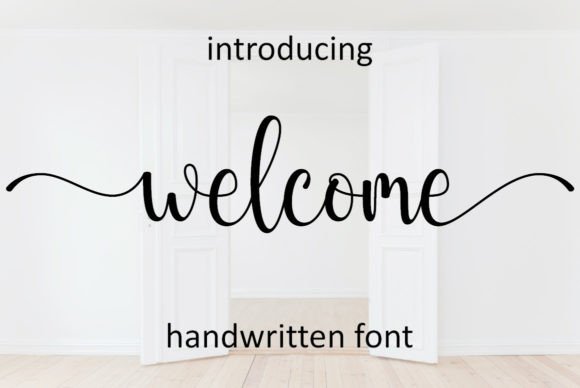
Visually, Welcome is a smooth, flowing script. Its letters connect with a natural, confident rhythm, avoiding the extremes of overly casual scrawl or stiff calligraphy. The letterforms are clean with a subtle, consistent baseline movement that mimics real handwriting. This gives it a sense of warmth and personality without sacrificing clarity. It’s the kind of typeface that feels like it was written with a quality felt-tip pen on premium paper. Its elegance makes it versatile enough for high-end projects, while its approachability keeps it from feeling intimidating or cold. This balance is key to its broad appeal across different design projects.
Where Welcome Truly Shines: Real-World Applications
Thinking about where to use a font like Welcome? Its strength lies in applications where a personal, emotional connection is the goal. It’s a fantastic choice for any project that needs to feel curated and thoughtful.
In wedding stationery, it’s a natural fit. Think save-the-dates, invitations, and menus where a handwritten aesthetic is classic and romantic. For greeting cards and thank-you notes, Welcome adds a layer of sincerity that pre-printed fonts often lack. It makes the message feel genuinely from the heart.
Beyond personal stationery, this font is a powerful tool for brand identity. A boutique bakery, a cozy café, or a handmade jewelry business can use Welcome in their logo design to communicate craftsmanship and care. It tells customers, “We pay attention to the details.” On packaging design, it can highlight a product name or a special tagline, creating a memorable unboxing experience.
For digital creators and marketers, Welcome is invaluable for social media graphics. It’s perfect for quotes, testimonials, and call-to-action overlays on images. Its handwritten style stops the scroll because it feels different from the standard sans-serif and serif fonts dominating feeds. It’s also excellent for creating standout headlines in editorial design or web design elements like blog post titles or promotional banners, drawing the eye with its elegant flair.
Practical Tips for Using This Creative Font Effectively
Adopting a new font is more than just liking how it looks. To get the most out of Welcome, you need to consider how it functions within your specific project. Here’s some practical guidance from a design perspective.
First, evaluate the project fit. Welcome is a display font, meaning it’s designed for headlines, logos, and short bursts of text—not for writing long paragraphs. Its readability at small sizes or in large blocks of body copy will diminish. Pair it wisely. A classic serif font or a clean sans serif font for body text will create a beautiful and readable contrast. For example, pairing Welcome with a font like Lora or Montserrat lets the handwritten headline shine while the body text remains easy to read.
Take advantage of its features. Welcome is PUA encoded, which is a technical way of saying you have easy access to all its alternate glyphs. These are different versions of letters that can help you avoid repetitive letter combinations, making your text look even more authentic. Swapping out a common “t” or “e” for an alternate can add subtle variation that mimics true handwriting. Most modern design software makes accessing these alternates straightforward.
Always test for readability. While elegant, script fonts can sometimes be tricky. Check your letter and word spacing. Ensure the connections between letters don’t create awkward shapes, especially with certain letter pairs. The goal is beautiful, legible communication. Also, consider the context. A light gray Welcome font on a white background might look stunning in a mockup but could fail an accessibility check. Ensure there is sufficient color contrast for your audience.
Finally, understand the licensing. Welcome is a commercial font, which typically means you need to purchase the appropriate license for your use—whether for personal projects, client work, or commercial products like merchandise. Always review the license details to ensure compliance. Investing in a quality premium font like this is investing in a reliable design asset that elevates your work professionally.
When you integrate Welcome thoughtfully, it becomes more than just a font choice. It becomes a strategic element that enhances your visual hierarchy, strengthens your brand’s perception, and fosters a deeper connection with your audience. It’s a tool for adding a human, elegant, and memorable voice to your visual communication.