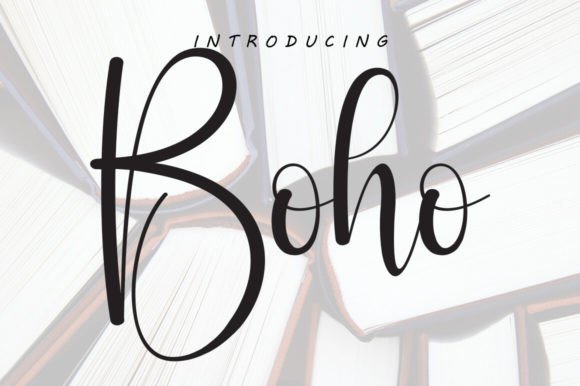
Boho: The Handwritten Font for Warmth and Charm
Understanding the Fluid, Romantic Nature of Boho
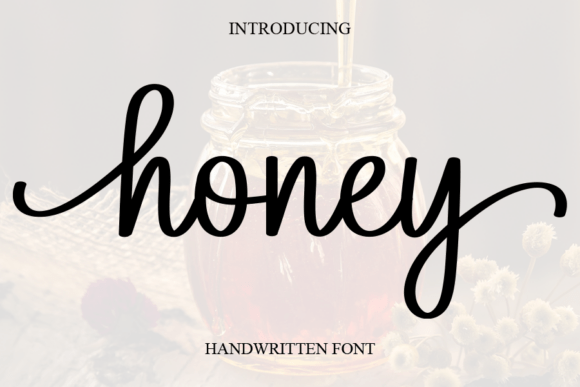
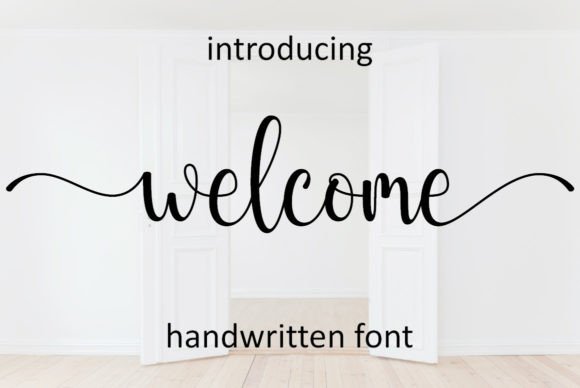
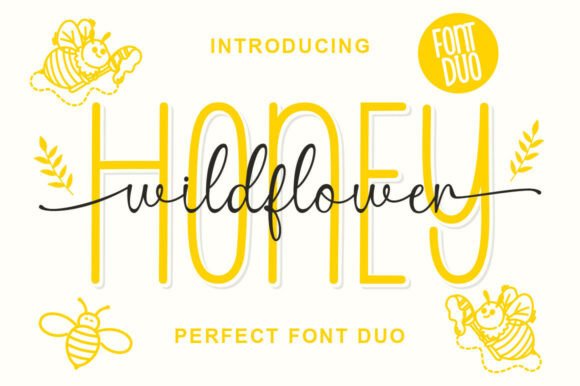
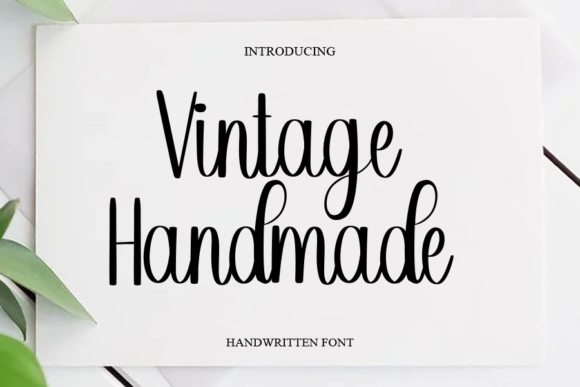
When you first encounter Boho, it feels less like a typeface and more like a whispered secret between friends. It is an enchantingly fluid, handwritten font that manages to capture a specific kind of tender charm often missing in modern typography. In a digital landscape dominated by rigid sans serif fonts and aggressive geometric shapes, Boho steps in to offer a breath of fresh air. It brings a warm, romantic essence to design concepts, acting as a bridge between casual playfulness and sophisticated elegance.
Visually, Boho is defined by its delightful cursive style. The letterforms connect seamlessly, mimicking the natural flow of ink on high-quality stationery. It avoids the jagged, erratic strokes of "grunge" fonts, opting instead for a smooth, consistent baseline that feels grounded yet expressive. This isn't just another script font; it is a premium font designed to evoke emotion. The strokes vary slightly in thickness, adding a human touch that static vector text often lacks. Whether you are designing a wedding invitation or a lifestyle blog header, this typeface injects an irresistible sense of joy into the visual hierarchy.
Where Boho Fits in Your Design Toolkit
The versatility of Boho is where it truly shines. It is not limited to one niche; rather, it serves as a dynamic asset across a wide spectrum of creative projects. For graphic designers and brand strategists, finding a font that conveys "approachable luxury" can be difficult. Boho fills that gap perfectly. It works exceptionally well in contexts where you need to humanize a brand or soften a message without sacrificing professionalism.
Consider the world of packaging design. If you are developing labels for artisanal goods—think small-batch candles, organic skincare, or boutique baked goods—a heavy, industrial typeface feels wrong. Boho provides that "handmade" aesthetic that suggests care and quality. Similarly, in editorial design, specifically for magazine headers, pull quotes, or chapter titles, this font adds a layer of intimacy that draws the reader into the narrative. It turns standard text into a visual experience.
For entrepreneurs and small business owners, Boho offers a distinct advantage in brand identity development. If your brand voice is friendly, empathetic, or whimsical, this typeface reinforces that personality instantly. It is particularly effective for:
- Logo Design: Creating memorable wordmarks that feel personal and bespoke.
- Social Media Graphics: Stopping the scroll with text that feels handwritten and urgent, yet beautiful.
- Web Design: Using it for call-to-action buttons or hero text to contrast with a clean sans serif body copy.
- Stationery and Invitations: Wedding suites, greeting cards, and event collateral where elegance is paramount.
The Strategic Impact on Audience Engagement
Typography is psychological. The fonts you choose influence how your audience perceives your message before they even read the words. Boho influences readability and engagement by creating a welcoming atmosphere. When a user lands on a webpage or picks up a brochure featuring this font, the visual language signals friendliness. It lowers the barrier to entry, making the content feel less like a corporate broadcast and more like a conversation.
However, as with any expressive script font, context is key to maintaining professionalism. Because of its intricate cursive nature, Boho is best utilized as a display font or for headlines. Attempting to write long paragraphs in Boho would compromise readability and fatigue the reader's eye. The strength of this typeface lies in its ability to anchor a design. Pair it with a neutral, legible sans serif font for body text to create a balanced visual hierarchy. The contrast between the organic fluidity of Boho and the structured geometry of a modern sans serif creates a sophisticated tension that looks intentional and curated.
Practical Application: Integrating Boho into Your Workflow
Adopting a new creative font requires more than just installation; it requires strategy. Before integrating Boho into a commercial project, take time to evaluate the fit. Does the personality of the font match the personality of the client or the project? If the project demands high authority and strict corporate seriousness, Boho might be too casual. However, for lifestyle, wellness, beauty, or artisanal niches, it is an ideal match.
When testing font pairings, look for balance. Boho has a lot of character, so it needs a partner that can "listen" without interrupting. A simple serif font like Garamond or a clean sans serif like Montserrat often works beautifully. Use Boho for the "shout"—the main headline or the logo—and use the secondary font for the "whisper"—the supporting details and body text.
Furthermore, always review the included styles within the font family. Many premium fonts like Boho come with alternates, ligatures, or stylistic sets. These features allow you to customize the look of specific letters so that your design doesn't look like a standard template. If you are using this font for a logo design, swapping out a standard "a" or "g" for a stylistic alternate can make the mark feel truly unique.
Finally, consider the practicalities of commercial licensing. If you are a freelancer or a business owner, ensure you have the correct license for how the font will be deployed. Using a premium font like Boho for a client's logo, a product for sale, or a high-traffic website usually requires a specific commercial license. Respecting these terms not only protects you legally but supports the type designers who craft these beautiful tools.
In summary, Boho is more than just a collection of glyphs; it is a tool for emotional connection. By leveraging its fluid, romantic nature, designers and creators can elevate their work, ensuring that their visual communication is as expressive and joyful as the ideas they wish to share. Whether for digital screens or printed paper, Boho