Unearthing Gloomy Mummy: A Spooky Serif for Seasonal Design
Understanding the Anatomy of a Halloween Typeface
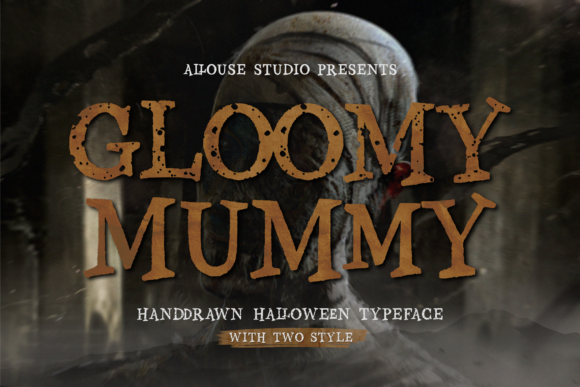
When October arrives, the design landscape shifts. We move away from the clean, minimalist sans serif fonts of summer and embrace textures, shadows, and atmosphere. This is where the Gloomy Mummy font steps into the spotlight. Created by Allouse Studio, this typeface is not just a collection of letters; it is a design asset built specifically to evoke a visceral reaction. As a premium font, it offers a level of detail that free alternatives often lack, ensuring your work looks professional rather than amateurish.
At its core, Gloomy Mummy is a display font characterized by its horror aesthetic. It doesn't just sit on the page; it grabs the viewer's attention. The visual style suggests decay and mystery, making it an incredibly creative font for projects that require a dark, moody atmosphere. Unlike a standard serif font that prioritizes legibility for body text, Gloomy Mummy prioritizes personality. It is designed for headlines, logos, and display text where the goal is to set a specific tone immediately. The unique styling of the letterforms gives it a distinct personality that feels authentic to the horror genre, rather than a generic spooky style that feels out of place outside of Halloween.
Practical Applications: Where Gloomy Mummy Shines
The versatility of a horror font like Gloomy Mummy often surprises people. While it is the obvious choice for Halloween party invitations, its utility extends far beyond that single holiday. If you are a small business owner looking to rebrand for the season, this typeface can transform your visual identity temporarily without damaging your long-term brand equity. It works exceptionally well for:
- Event Marketing: Posters for haunted houses, escape rooms, or horror movie marathons. The font's inherent tension creates a sense of urgency and excitement.
- Packaging Design: Think of craft beer labels for seasonal stouts, candy wrappers, or artisanal goods with a "dark" theme. The font handles texture well, making it suitable for printing on matte or rough paper stocks.
- Editorial Design: Magazine covers or blog headers focusing on true crime, gothic fiction, or supernatural history. It sets the mood before the reader even engages with the text.
- Digital Assets: YouTube thumbnails, podcast cover art, and social media graphics need to stand out in a crowded feed. The high-contrast, spiky nature of Gloomy Mummy ensures high click-through rates for relevant content.
However, context is everything. You wouldn't use this creative font for a corporate financial report or a medical brochure. The personality of the font must align with the message. For entrepreneurs in the entertainment or lifestyle sectors, Gloomy Mummy offers a way to show brand personality and connect with an audience that appreciates niche aesthetics.
Design Strategy: Pairing and Hierarchy
One of the most common mistakes in modern typography is using a display font for everything. Gloomy Mummy is visually complex; if you use it for long paragraphs, you will create a wall of text that is nearly impossible to read. This kills readability and frustrates your audience. Instead, think of this font as the "loudspeaker" of your design. Use it for the main headline—the H1 or the logo—where it can make its maximum impact.
To support Gloomy Mummy, you need a strong font pairing. Because Gloomy Mummy is textured and irregular, it pairs best with something clean, geometric, and stable. A simple sans serif font is usually the best counterpoint. The clean lines of a sans serif provide a visual "rest" for the eyes, allowing the spookiness of the headline to pop without overwhelming the viewer.
Consider the visual hierarchy of your project. The hierarchy dictates the order in which a viewer processes information. Gloomy Mummy should sit at the top of this pyramid. Below that, use your secondary font for subheadings and body copy. This contrast not only looks professional but also guides the reader's eye naturally from the dramatic headline to the informative content below. When testing font pairings, pay attention to the x-height and weight. You want the secondary font to feel balanced against the boldness of Gloomy Mummy, not dwarfed by it.
Evaluating Fit and Technical Considerations
Before integrating Gloomy Mummy into your brand identity or next project, it is worth taking a moment to evaluate the technical fit. First, check the character set. Does the font support the specific language you need? Does it include the necessary punctuation and special symbols? A high-quality commercial font like this usually includes alternates or ligatures—special character combinations that add flair to logos and monograms. Exploring these features can elevate a standard design into something custom-made.
Licensing is another critical area for designers and business owners. Since Gloomy Mummy is a premium font, it comes with a license that dictates how it can be used. If you are using it for a client's logo design, ensure the license covers commercial use and logo embedding. If you are using it for web design, check if a webfont version (WOFF or WOFF2) is included in the package. Ignoring licensing can lead to legal headaches down the road, so treat the license agreement as part of your project management workflow.
Finally, test the font in different environments. A font can look stunning in a design program like Adobe Illustrator but render poorly on a low-resolution mobile screen. Preview your work on multiple devices. Look at the kerning (the space between letters) and ensure it remains legible at the sizes you intend to use. By taking the time to test and refine, you ensure that the spooky vibe of Gloomy Mummy enhances your work rather than complicating it. It is a powerful tool in the right hands, capable of turning a mundane design into a memorable experience.