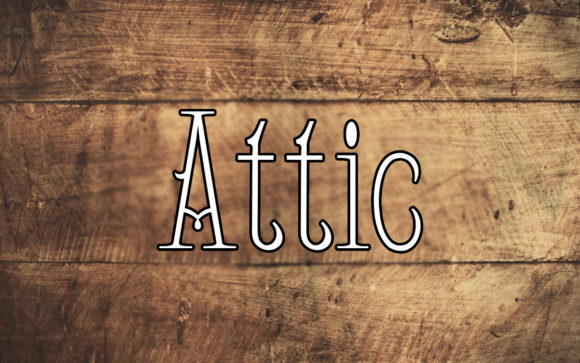
Attic: A Serif Font for Modern, Refined Branding
The Quiet Confidence of a Well-Drawn Serif
There's a particular kind of typeface that doesn't shout for attention but earns it anyway. Attic, designed by Peter Wiegel, belongs to this category. It's a serif font with a delicate, almost whisper-like presence—slim in its letterforms yet unmistakably distinct in its overall character. The strokes carry a refined thinness that avoids fragility, and the serifs themselves are understated rather than heavy or decorative. This balance gives Attic a personality that feels both contemporary and rooted in typographic tradition.
What strikes me first about Attic is its sense of restraint. In a landscape crowded with bold, maximalist display fonts, this typeface takes a different approach. The proportions are carefully considered, the spacing feels intentional, and the overall rhythm of text set in Attic has a calm, measured quality. It's the kind of font that suggests a brand or publication has nothing to prove—it simply knows what it is.
Where Attic Truly Shines
Headlines and billboards are the most obvious starting points, and for good reason. Attic's slim construction gives it excellent impact at larger sizes without overwhelming a layout. Think about a magazine cover, a website hero section, or a billboard along a highway. The letterforms hold their shape beautifully when scaled up, and the distinctiveness of each character ensures legibility even from a distance or at a glance.
But limiting Attic to oversized display work would miss its broader potential. Here's where I've seen this font work exceptionally well across different project types:
- Logo design and brand identity: Attic carries an inherent sophistication that suits boutique brands, lifestyle companies, creative studios, and any business wanting to project quiet confidence. It works particularly well for brands in fashion, wellness, architecture, and artisanal goods.
- Editorial design: Magazine layouts, book covers, and long-form publications benefit from Attic's readability and elegance. The font brings a polished, literary quality to headings and subheadings without competing with body text.
- Packaging design: On product labels, boxes, and retail packaging, Attic adds a premium feel that elevates perceived value. It pairs naturally with minimalist packaging aesthetics where every design element needs to carry weight.
- Web design and digital interfaces: When used for headings, navigation labels, or pull quotes on websites and apps, Attic introduces visual interest and hierarchy. Its clean construction renders well on screens, though testing across devices is always wise.
- Social media graphics and marketing materials: Instagram posts, Pinterest pins, email headers, and promotional flyers all benefit from a font that looks distinctive in a quick scroll. Attic's personality helps content stand out without resorting to visual noise.
- Wedding invitations and personal projects: Crafters and hobbyists designing stationery, event materials, or personal creative projects will find Attic's elegance naturally suited to formal and semi-formal applications.
Understanding the Practical Details
One of the most useful features of Attic is its PUA encoding. If you've ever worked with a font that includes beautiful alternate characters, swashes, or ligatures but couldn't figure out how to access them, you know the frustration. PUA (Private Use Area) encoding means every glyph in the font is accessible through standard character maps and design software, regardless of whether your application supports OpenType features natively. For designers working in tools like Canva, Cricut Design Space, or Silhouette Studio, this is a significant practical advantage. You get the full creative range of the typeface without technical barriers.
When evaluating whether Attic fits your project, consider a few things. First, assess the tone you're aiming for. This is a serif font with a refined, slightly editorial personality. If your brand voice is playful, rugged, or heavily informal, you might find Attic working better as an accent alongside a more casual typeface rather than as your primary font. Second, think about your medium. Attic's slim strokes are elegant but can become challenging at very small sizes in low-resolution print or on screens with poor rendering. Test it at the actual sizes you'll be using.
Pairing Attic with Other Fonts
Font pairing is where many projects either come together beautifully or fall apart. Attic's slim, refined serif character makes it a natural companion for clean sans serif fonts. A geometric sans serif used for body text or supporting copy creates a pleasing contrast—modern and approachable against Attic's classic elegance. You could also pair it with a subtle script font or handwritten font for projects that need a personal touch, like invitations or lifestyle branding, though I'd recommend using the script sparingly to avoid visual clutter.
Avoid pairing Attic with other highly decorative serif fonts, as the competing details can create confusion rather than hierarchy. The goal is contrast in weight, style, or personality—not a collision of two fonts that both want to be the center of attention.
Licensing and Commercial Use
Before using Attic in any commercial project—whether that's a client's brand identity, a product you're selling, or marketing materials for your business—review the licensing terms carefully. Peter Wiegel has made many of his fonts available under open or permissive licenses, but specifics can vary. Confirm whether the license covers your intended use, especially for logo design, merchandise, or large-scale distribution. Respecting font licensing isn't just a legal obligation; it supports the independent type designers who create these tools we rely on.
A Font That Earns Its Place
In a market full of premium fonts competing for attention, Attic offers something different: quiet authority. It doesn't need bold weights or flashy alternates to make an impression. Its strength lies in its restraint, its clarity, and its ability to make any project feel a little more considered. Whether you're building a brand identity from scratch, refreshing a publication's design system, or creating a one-off piece of marketing collateral, Attic deserves a place in your evaluation. Download it, test it in context, and see whether its particular brand of understated elegance serves your work.
Good typography doesn't announce itself. It simply makes everything around it work better. That's exactly what a well-chosen display font like Attic can do for your next project.