Praise: Crafting a Brand Identity with Elegant Typography
More Than Just Letters on a Page
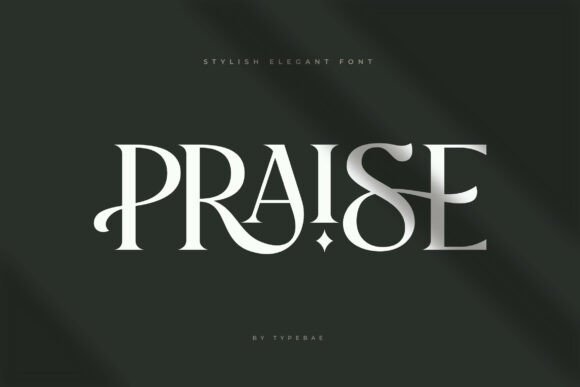
When you're building a brand, the details matter. A logo isn't just a mark; it's the first handshake, the initial impression, the visual cornerstone of your entire identity. This is where a typeface like Praise enters the conversation. It’s a premium font, specifically a serif font, designed with a singular focus: to bring a timeless, sophisticated feel to branding projects. Praise isn't trying to be everything to everyone. Instead, it offers a distinct personality—elegant, stylish, and confident. Think of it as the tailored suit in your design toolkit, perfect for when a project calls for a touch of class without being stuffy or overly formal.
Its visual character is defined by clean lines and balanced proportions. The serifs are present but not aggressive, giving it a structured yet approachable feel. This makes it a versatile display font, meaning it shines in larger applications like headlines, logos, and titles where its details can be fully appreciated. It bridges the gap between classic typography and modern typography, feeling both established and fresh. For a designer or entrepreneur, choosing Praise is a deliberate decision to steer a brand's visual narrative toward elegance and professionalism.
Where Praise Truly Shines: Real-World Applications
Understanding a font's ideal environment is key to using it effectively. Praise excels in projects where brand perception and recognition are paramount. Its core strength lies in logo design and brand identity systems. Imagine a boutique hotel, a high-end skincare line, a wedding planner's portfolio, or a premium coffee brand. Praise provides the foundation for a visual identity that communicates quality and care. It works beautifully for wordmarks (logos based solely on the company name) where the letterforms themselves become the iconic element.
Beyond the logo, this creative font extends its utility across various mediums:
- Packaging Design: On labels for artisanal goods, wine bottles, or luxury cosmetics, Praise adds perceived value and helps a product stand out on a crowded shelf.
- Editorial Design: For magazines, lookbooks, or premium catalogues, it serves as an elegant headline font that draws readers in and sets a sophisticated tone for the layout.
- Digital & Web Design: Used sparingly for website headers or key call-to-action phrases, it can elevate a site's aesthetic, making it feel more curated and intentional.
- Social Media Graphics: Consistent use of Praise in Instagram quotes, Pinterest pins, or Facebook ads can create a cohesive and recognizable visual feed, strengthening brand recall.
- Print Materials: Business cards, letterheads, and invitations gain a level of refinement that speaks volumes before the words are even read. It turns simple stationery into a design asset.
For small business owners and content creators, this means Praise isn't just for the initial logo. It's a thread that can tie together every customer touchpoint, from the website to the physical product, creating a seamless and professional experience.
The Practical Side: Working with Praise
Choosing a font is a practical decision, not just an aesthetic one. Here’s how to approach integrating Praise into your workflow effectively. First, consider readability. As a serif font with a display orientation, Praise is optimized for impact, not for body text. Its elegance is best showcased at larger sizes. For paragraphs of running text, you’ll want to pair it with a highly legible sans serif font or even a clean script font for accents. This practice, known as font pairing, creates visual hierarchy and ensures your message is both beautiful and clear.
Evaluate the project's fit. Ask yourself: does this brand or project need to convey tradition, luxury, creativity, or trust? If the answer leans toward sophistication and style, Praise is a strong candidate. If the project requires a rugged, techy, or playful vibe, you might look to a different typeface.
When you acquire the font, you receive the necessary files: .otf, .ttf, and .woff. This ensures compatibility across design software and for web use. The PUA encoding is a practical bonus, allowing you to easily access special characters and ligatures from any software, even if it doesn't have advanced OpenType features. This is particularly helpful for those using simpler design apps or for crafters working with cutting machines.
Finally, always review the license. Praise is a commercial font, meaning it's intended for professional use. The license will outline its permitted applications, which typically cover most standard branding and marketing materials. Understanding this upfront ensures you can use your design assets confidently and legally.
Bringing It All Together
Ultimately, a font is a tool. Praise is a specialized tool crafted for a specific job: to infuse projects with an air of elegance and timeless style. It doesn’t shout; it speaks with confidence. For the designer crafting a new identity, the entrepreneur launching a product, or the publisher designing a cover, it offers a way to make a statement without saying a word. Its value lies in its ability to shape perception, create consistency, and help a brand stand apart with a unique and professional look. By understanding its personality, strengths, and practical applications, you can use Praise not just as a lettering choice, but as a core component of a compelling visual story.