Plaid: Adding Playful Texture to Your Creative Projects
Understanding the Visual Character of This Typeface
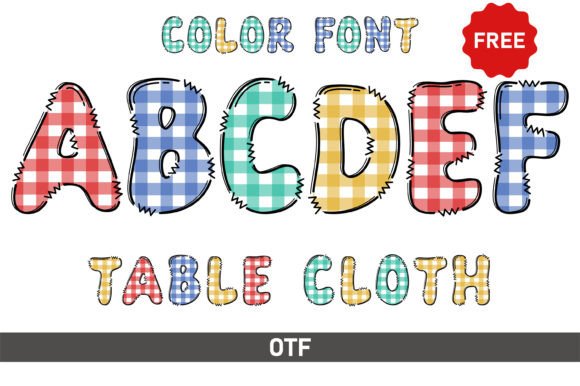
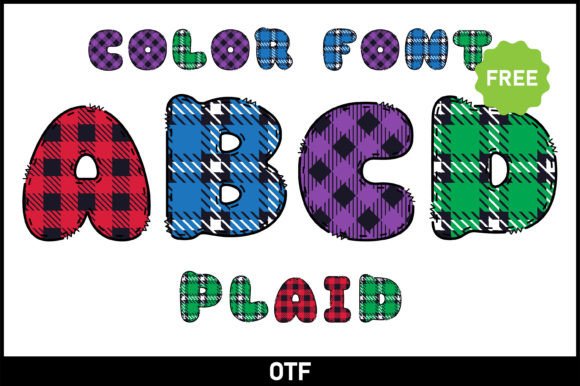
When you first encounter the Plaid font, its personality is unmistakable. This is a display font designed to inject immediate energy and a tactile quality into your work. Visually, it mimics the look of a woven fabric, giving letterforms a textured, patterned appearance that feels both structured and playful. It’s not a quiet, background player; it’s a headline-grabber. The design balances a sense of craft with a modern sensibility, making it a versatile creative font for projects that need to feel approachable, artistic, and full of character.
The font's inherent style leans towards a handwritten font or decorative aesthetic, but with a cleaner, more deliberate structure. This makes it far more legible than many purely whimsical scripts. Its strength lies in its ability to convey a specific mood—think cozy, handmade, whimsical, or retro—without requiring additional graphical elements. As a premium font, it often comes with thoughtful details and variations that elevate it beyond standard free offerings.
Where Plaid Truly Shines: Practical Applications
This typeface isn’t a one-size-fits-all solution, and that’s its advantage. Knowing where to deploy Plaid is key to leveraging its unique appeal. It excels in contexts where you want to establish a strong, friendly, and creative tone. For logo design, it can be perfect for brands targeting families, crafters, bakeries, or boutique studios. Its textured nature helps logos stand out with a memorable, artisanal feel.
In editorial design and packaging design, Plaid works beautifully for headlines, chapter titles, or product names on items like children’s books, gourmet snacks, or craft supplies. It instantly communicates that the product inside is special, fun, or made with care. For web design and social media graphics, use it for hero sections, promotional banners, or event announcements. A single word set in Plaid can stop the scroll and inject personality into a digital feed that’s often dominated by clean, neutral sans serif fonts.
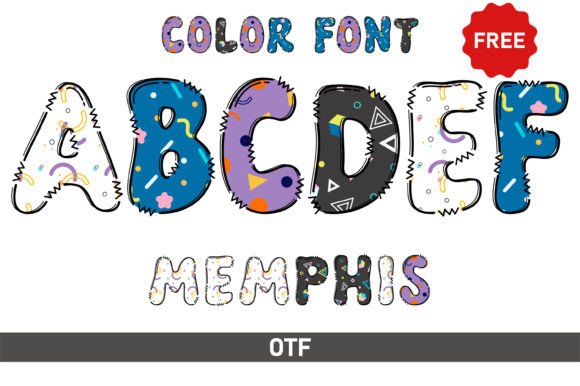
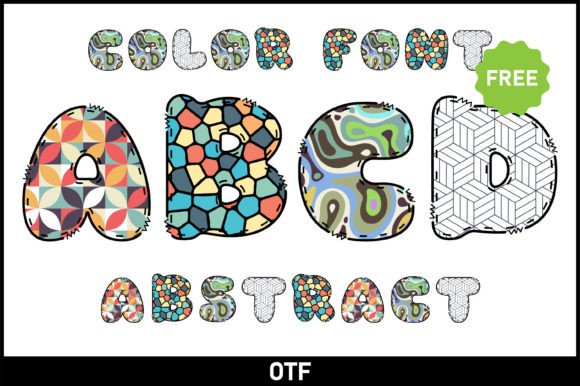
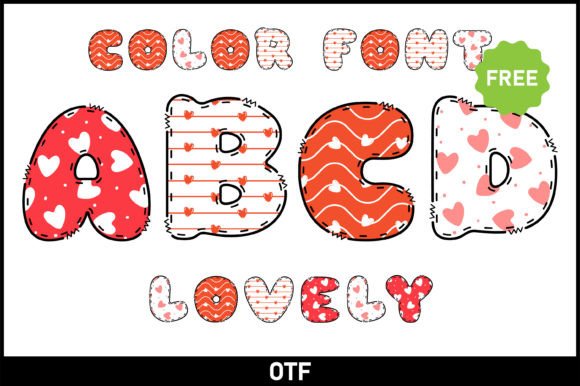
For crafters and small business owners using cutting machines, the utility is clear. The black version of Plaid is compatible with Cricut Design Space, making it ideal for creating custom decals, labels, and vinyl projects. It’s a practical design asset for producing physical goods with a professional, custom look. Remember, for full-color versions, you’ll need compatible software like Photoshop or Illustrator, as detailed in our Ultimate Font Guide.
Making It Work: Pairing, Readability, and Professional Use
Integrating a distinctive font like Plaid into a brand identity or project requires a thoughtful approach. Its bold personality means it should almost always be used for headlines, logos, or short bursts of text, not for long paragraphs. For body copy, pair it with a highly legible serif font or a clean sans serif font. This contrast creates a clear visual hierarchy, ensuring your message is both engaging and easy to read.
When evaluating its fit, consider your audience and message. Does the playful, textured vibe align with your brand’s values? Test it with your project’s color palette and imagery. A font like this can significantly influence brand perception, steering it toward being more creative, approachable, and memorable. Consistency is crucial; if you use Plaid for your main headline, ensure supporting text uses complementary fonts to maintain professionalism.
Before purchasing, always check the license. If you plan to use it for client work or commercial products, you need a commercial font license. Review the included styles—does it offer the weights or alternates you need? Finally, test for readability at the size you intend to use it. While it’s designed for impact, you still want every letter to be instantly recognizable, especially at smaller scales on screens. Used strategically, Plaid becomes more than just a font; it becomes a core component of your creative toolkit, helping you craft designs that resonate and delight.