Papan Kita: A Creative Dingbats Font for Modern Designers
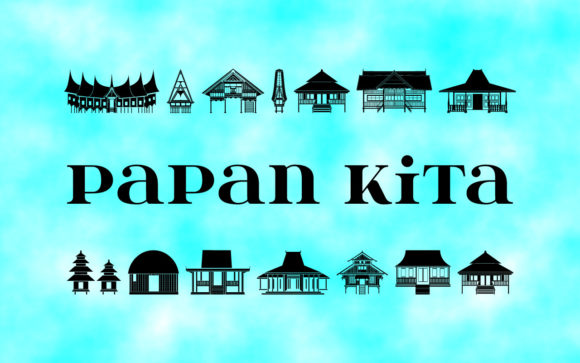
When you first encounter Papan Kita, it’s not the typical serif or sans serif that greets you. Instead, you’re met with a collection of artistic building styles, a visual language that feels both familiar and refreshingly new. Created by designer Didik Pratikno, this premium font isn’t about letters; it’s about shapes, structures, and the stories they tell. Think of it as a toolkit for visual storytelling, where each glyph is a tiny architectural marvel waiting to be placed into your next big idea.
The personality of Papan Kita is one of controlled creativity. It carries a modern typography sensibility, but with an organic, almost hand-crafted warmth. The building styles aren’t sterile or overly geometric; they have interesting details, varied rooflines, and unique window arrangements that give them character. This makes the typeface incredibly versatile. It can feel playful for a children’s brand, sophisticated for an architectural firm’s marketing, or artisanal for a craft business. Its visual appeal lies in this balance—it’s detailed enough to be interesting but clean enough to be used without overwhelming a design.
Where Papan Kita Truly Shines
Understanding where a creative font like this works best is key to using it effectively. Papan Kita isn’t your body copy font; it’s a display font, a special-purpose tool for moments that need a distinct visual hook. Its strength lies in adding a layer of conceptual depth and artistic flair that standard fonts can’t provide.
Consider its application in branding and logo design. A boutique real estate agency, a modern architecture studio, or a sustainable living blog could use a single, carefully chosen building glyph from Papan Kita as the core of their brand identity. Paired with a clean sans serif font for text, this creates a memorable mark that immediately communicates the business’s niche. It’s not just a logo; it’s a tiny, built environment.
In editorial design and publishing, this font finds a natural home. Imagine a magazine spread about urban planning, a book cover for a novel set in a fantastical city, or chapter headings in a travel journal. Using Papan Kita as decorative initials or section dividers adds a thematic element that pulls the reader into the content. It transforms a page from simple text into a designed experience, enhancing visual hierarchy and making the layout more engaging.
For digital creators and social media managers, Papan Kita is a secret weapon for standing out. Use it to create custom icons for a blog’s navigation bar, design unique Pinterest graphics about home renovation, or craft Instagram story stickers that are entirely on-brand. In packaging design, a series of these glyphs could illustrate the origin story of a product or represent different product lines within a collection, creating a cohesive and visually rich shelf presence.
Making It Work: Practical Guidance for Your Project
Choosing any design asset requires a bit of strategy. Start by evaluating the project’s core message. Is it about community, construction, growth, or structure? If those themes align, Papan Kita is likely a strong candidate. Next, explore the font’s included styles. Didik Pratikno has likely provided a range of building types—perhaps from minimalist modern structures to more ornate traditional ones. Sift through them to find the glyph that best captures the specific mood you’re after.
Font pairing is critical with a specialist font like this. You need a reliable partner. A sturdy, neutral serif font can provide a classic, trustworthy counterpoint, perfect for law firms or financial advisors wanting a touch of modernity. A clean, geometric sans serif font offers a crisp, contemporary feel, ideal for tech startups or design agencies. Avoid pairing it with other highly decorative fonts like a script or handwritten font, as that will create visual chaos. The rule of thumb is: let Papan Kita be the star, and let its partner be the supporting actor.
Always test for readability and context. While the buildings are beautiful, they are symbols, not letters. They should be used at sizes where their details are clear and recognizable, not shrunk down to the point of being visual noise. Think of them as graphic elements, not punctuation. This is where understanding the difference between a display font and a text font is crucial. Papan Kita is for headlines, logos, and accents, not for writing a paragraph.
Finally, consider the licensing. As a commercial font, it’s essential to ensure your use case—whether for a client project, merchandise, or a massive print run—is covered by the license you purchase. This protects both you and the original creator, Didik Pratikno. Using premium fonts correctly is a mark of professionalism in any creative field, from web design to packaging.
The Subtle Influence on Your Audience
Fonts do more than display words; they shape perception. Using a distinctive asset like Papan Kita signals that a brand pays attention to detail and values thoughtful design. It can elevate a brand’s perceived quality and professionalism. For a small business, it can be the differentiator that makes their materials feel more established and intentional than competitors using overused free fonts.
This typeface also fosters recognition. A consistent use of a specific, unique glyph from the set across all touchpoints—website, business cards, social media—builds a cohesive visual language. Over time, that single building shape becomes synonymous with the brand itself, strengthening recall and audience engagement. It’s a subtle but powerful form of visual branding.
In the end, Papan Kita is more than a dingbats font. It’s a collection of architectural ideas, a way to inject personality and conceptual weight into a design. Whether you’re crafting a brand identity, laying out a publication, or designing a social media campaign, it offers a unique set of tools to make your creative ideas not just seen, but felt. It invites you to build something remarkable.