How to Use the Gathering Day Font for Your Next Project
There’s a specific challenge in design that comes up constantly: how do you inject personality and warmth into a project without making it look homemade or unprofessional? You want something that feels personal, maybe even romantic or playful, but it still needs to function as a serious piece of communication. If you’ve been stuck choosing between a stiff corporate typeface and a messy handwritten font, you are likely missing the middle ground. That is exactly where Gathering Day enters the conversation.
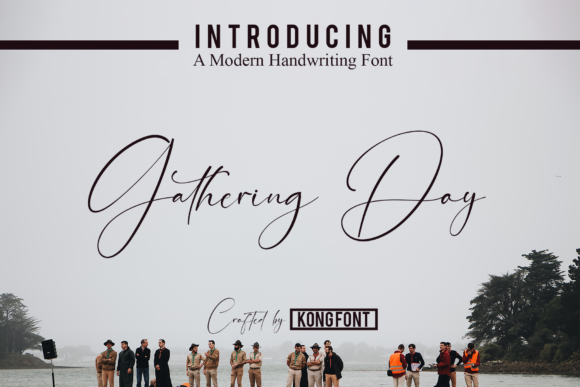
Created by the team at Kong Font Studio, Gathering Day is a modern script font that manages to be both distinct and surprisingly versatile. It doesn’t look like a generic cursive font you’d find in a word processor. Instead, it carries a specific visual rhythm—playful but grounded, romantic but legible. For designers, crafters, and entrepreneurs, it offers a way to add a "human touch" to digital and print assets without sacrificing clarity.
Visual Characteristics and Personality
To understand how to use this typeface effectively, you first have to understand its anatomy. Gathering Day is a script font, meaning it mimics cursive handwriting. However, it leans heavily into a modern typography aesthetic. You won’t find the looping, difficult-to-read swashes that plague traditional calligraphy fonts. Instead, the strokes are fluid and confident.
The personality of this font is undeniably romantic. It has a softness to it that suggests intimacy and care. If a font could speak, Gathering Day would sound like a heartfelt conversation over coffee. This makes it an excellent premium font choice for projects that need to evoke emotion. It works beautifully as a display font, drawing the eye immediately with its distinct silhouette, but it avoids the harshness of all-caps block letters.
Visually, you’ll notice a natural variation in the stroke width, which is a hallmark of high-quality handwritten font design. It feels organic. This is crucial for brand identity work. When you use a script that looks too rigid, it feels corporate. When you use one that looks too messy, it feels amateur. Gathering Day sits in that sweet spot of "curated imperfection," making it look like an authentic signature rather than a computer-generated image.
Where Gathering Day Works Best
The versatility of a creative font is defined by where it can be applied. Because Gathering Day balances style with readability, it fits into a surprising number of categories. It is not just a one-trick pony for wedding invitations; it is a functional design asset for various industries.
Here is where I see this font performing strongest:
- Branding and Logo Design: For businesses that want to appear approachable and friendly, this is a strong contender. Think boutique bakeries, lifestyle coaches, handmade jewelry brands, or floral studios. Using Gathering Day in a logo design instantly signals that the brand is personal and customer-centric. It pairs exceptionally well with a clean sans serif font for body text, creating a balanced visual hierarchy.
- Greeting Cards and Stationery: This is the font's natural habitat. Whether you are designing for print-on-demand or creating physical cards, the romantic flow of the script adds instant sentimentality. It works for birthdays, anniversaries, and thank-you notes.
- Packaging Design: If you are selling a physical product, the label matters. Gathering Day works wonderfully on packaging for artisanal goods. Imagine this font on a label for homemade jam, scented candles, or organic skincare. It suggests that the product inside was made with love.
- Digital Marketing and Social Media: On platforms like Instagram or Pinterest, visual hierarchy is king. You can use this font for headlines or quotes to break up the monotony of standard text. It grabs attention in a crowded feed, especially when used for callouts in social media graphics.
However, context is everything. You would likely not use this font for a law firm or a heavy industrial machinery company. It is too soft for those contexts. But for the vast majority of consumer-facing brands, especially those in the lifestyle, beauty, or food sectors, it is a powerful tool.
Influence on Brand Perception and Readability
Choosing a typeface is a strategic decision, not just an aesthetic one. The fonts you select for your brand identity send subconscious signals to your audience. A serif font often signals tradition and authority. A sans serif font signals modernity and efficiency. A script font like Gathering Day signals creativity, warmth, and individuality.
When you use this typeface, you are telling your audience that you value aesthetics and personal connection. This can significantly improve audience engagement. People are drawn to designs that feel human. In a digital world dominated by sterile interfaces, a touch of handwriting can make a brand feel more accessible.
However, you must be mindful of readability, which is the most common pitfall with script fonts. While Gathering Day is more legible than many calligraphic options, it is still a script. It is not designed for long paragraphs of body copy. If you try to write a 200-word product description entirely in this font, you will frustrate your readers. The strength of this typeface lies in short bursts—headlines, taglines, and single-word emphasis.
For web design, use it sparingly. It is perfect for a hero image headline or a section title, but pair it with a highly readable sans serif font for the actual content. This contrast creates a visual hierarchy that guides the reader's eye. The script draws them in; the sans serif informs them.
Practical Guidance for Implementation
If you are considering adding this to your toolkit, there are a few practical steps to ensure you get the most out of it.
Test Your Font Pairings:
Never use a font in isolation. The visual impact of Gathering Day changes depending on what sits next to it. If you pair it with a very ornate serif font, the design might look cluttered. If you pair it with a bold, geometric sans serif font, the script will pop and look more elegant. I recommend testing it against sans serifs like Montserrat, Lato, or Open Sans for a clean, modern look.
Evaluate the Context:
Before you commit, mock up the design. Place the text where it will actually live—on a business card, a website header, or a t-shirt. Sometimes a font looks great in a large preview but loses its character when shrunk down for print. Check the legibility at the specific size you intend to use.
Check the License:
This is a commercial font. While there are many free scripts available, they often come with licensing headaches or lack the polish of a paid asset. Because this is a premium font from Kong Font Studio, you get professional kerning (the spacing between letters) and reliability. Always ensure your license covers your specific usage—whether that is a single end product for a client or unlimited print-on-demand usage. Reading the license agreement is a non-negotiable part of professional editorial design and branding work.
Look at the Details:
A good modern script often comes with alternates or ligatures. These are variations of letters that connect differently to prevent repetition. If you are using the word "Gathering" multiple times, check if the font offers different versions of the letter 'g' or 'r'. This keeps the typography looking hand-lettered and authentic.
Ultimately, Gathering Day is a tool for connection. It bridges the gap between professional design and personal touch. Whether you are a crafter making a custom gift or a small business owner building a brand, it offers a reliable way to make your work feel a little more human. It’s not about following a trend; it’s about choosing a typeface that genuinely reflects the warmth of your project.