Gloria: Why This Handwritten Font Feels Like a Creative Upgrade
There’s a moment in every creative project where the typeface either supports your vision or quietly undermines it. You might have the perfect color palette, compelling copy, and strong imagery, but if the font feels generic, stiff, or out of place, the entire composition can fall flat. That’s where a font like Gloria enters the picture—not as a loud declaration, but as a confident, elegant solution that brings warmth and personality to your work.
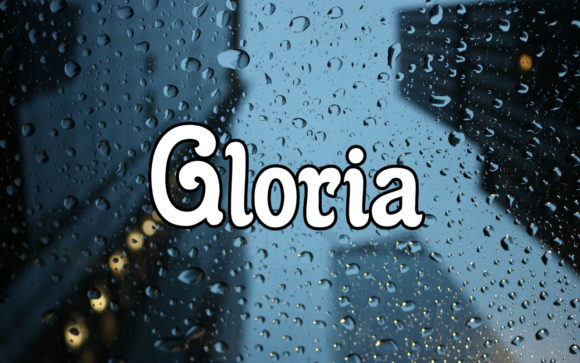
Designed by Peter Wiegel, Gloria is a premium handwritten font that strikes a rare balance. It’s fluid and expressive without being messy, stylish without sacrificing legibility. The characters flow naturally, with a rhythm that feels human and approachable. Unlike some script fonts that lean too far into casualness or formality, Gloria sits in a versatile middle ground. It’s the kind of typeface you can use for a wedding invitation, a bakery logo, or a social media quote, and it will feel right at home in each context.
Where Gloria Truly Shines
Gloria isn’t a font that demands attention; it earns it. Its strength lies in its adaptability. Consider how it behaves in different scenarios:
- Logo Design and Brand Identity: For small businesses, especially those in lifestyle, beauty, food, or artisanal sectors, Gloria can become a cornerstone of a brand identity. It conveys authenticity and care. Imagine it on a coffee shop’s menu, a boutique’s shopping bag, or a skincare product’s label. It suggests craftsmanship without feeling handmade in a sloppy way.
- Editorial and Publishing: In magazines, blogs, or book covers, Gloria works beautifully as a display font for headlines, pull quotes, or chapter titles. It pairs wonderfully with a clean serif font like Georgia or a modern sans serif font like Montserrat for body text, creating a clear visual hierarchy that guides the reader’s eye.
- Digital and Web Design: On websites and social media graphics, Gloria adds a personal touch. It’s perfect for call-to-action buttons, hero text, or featured quotes. Its readability on screen is a key advantage; the letterforms are distinct enough to remain clear at various sizes, which is crucial for user engagement.
- Packaging and Print Design: For product packaging, especially for gifts, stationery, or gourmet goods, Gloria elevates the unboxing experience. It communicates that thought and attention went into every detail, from the product itself to the typography on the box.
- Personal and Hobby Projects: From crafting personalized greeting cards to designing a family recipe book or creating decals for a home business, Gloria brings a professional polish to personal projects. It’s a design asset that makes your creations feel special.
The Psychology of Flow: How Gloria Influences Perception
Typography does more than convey words; it sets a tone. The gentle curves and connected letters of Gloria create a sense of flow and continuity. This can subconsciously influence how an audience perceives your message. A handwritten font like this often evokes feelings of warmth, sincerity, and creativity. It feels less corporate and more human, which can be a powerful tool for building connection.
For entrepreneurs and marketers, this translates to brand perception. Using Gloria consistently across your materials—your website, invoices, social media posts, and packaging—helps build a recognizable and cohesive brand identity. It tells a story of a brand that values aesthetics and personal connection. However, context is everything. While Gloria is a creative font perfect for many applications, it’s not the best choice for long-form body text or highly technical documents where maximum clarity is paramount. Its role is as a supporting player for key messages, not the workhorse for dense paragraphs.
Practical Guidance for Using Gloria Effectively
Adopting any new typeface requires a bit of strategy. Here’s how to integrate Gloria into your workflow thoughtfully:
- Evaluate Your Project’s Voice: Does your project call for elegance, warmth, or artisanal flair? Gloria fits projects that aim for a personal, approachable, or sophisticated vibe. If your brand’s voice is ultra-modern, minimalist, or highly technical, you might explore other options.
- Test Font Pairings Relentlessly: Never use Gloria in isolation. Its true power is unlocked in combination. Pair it with a stable, neutral sans serif font for body text. The contrast between the expressive script and the clean utility font creates visual interest and ensures readability. Try pairing it with fonts like Open Sans, Lato, or a simple serif like Merriweather.
- Understand the Included Styles: Check what weights, alternates, or stylistic sets come with the Gloria font family. Some versions may include different swashes or ligatures that allow for further customization, helping you avoid a repetitive look across your designs.
- Prioritize Readability in Context: Use Gloria for headlines, short phrases, and focal points. For smaller text sizes, especially in digital interfaces or on printed materials viewed at a distance, switch to a more legible font. Always print a test or view it on multiple screens to check clarity.
- Clarify Commercial Licensing: If you plan to use Gloria for client work, merchandise, or any commercial purpose, ensure you have the correct license. Peter Wiegel, like many type designers, offers specific licensing terms. Using a font correctly is not just legal compliance; it’s respecting the craft of typography.
Gloria is more than just a beautiful handwritten font. It’s a versatile design asset that can infuse your projects with personality and professionalism. By understanding its strengths and applying it with intention, you can make your creative ideas not just come alive, but resonate deeply with your audience.