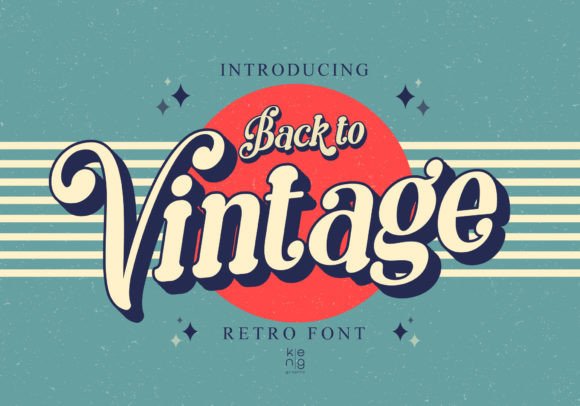
Back to Vintage: A Font That Feels Like a Memory
More Than Just a Typeface: The Character of Back to Vintage
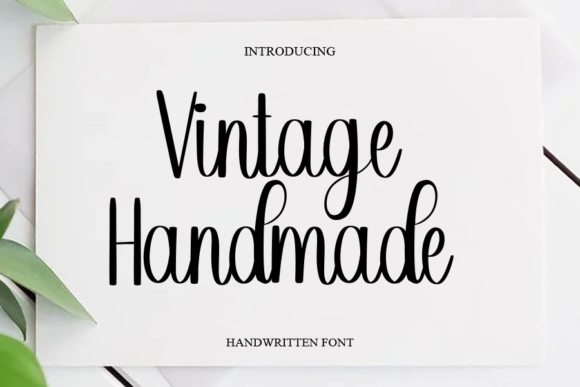
There’s a certain warmth in the typography of the past, a tangible sense of personality that modern, sterile fonts often lack. Back to Vintage is a creative font that taps directly into this feeling. It’s not merely a retro style; it’s a design asset built on the visual language of the 1960s, 70s, and 80s. The first thing you notice is its unique shape—every corner is intentionally softer and more rounded. This isn’t a sharp, aggressive display font. It has a friendly, approachable demeanor that feels instantly recognizable and inviting. Think of the lettering on a classic diner sign, the title of a beloved family board game from your childhood, or the masthead of a vintage magazine. That’s the territory Back to Vintage inhabits. It carries a personality that’s both nostalgic and confident, making it a powerful tool for any designer, marketer, or content creator looking to add an authentic retro touch.
This premium font works because it understands its context. It’s a typeface that doesn’t just sit on a page; it communicates a mood. The rounded terminals and carefully balanced letterforms give it a handcrafted quality, suggesting care and authenticity. For a small business owner crafting a brand identity, this font can convey tradition, reliability, and a personal touch. For a blogger or publisher, it can set a specific, engaging tone for an editorial design project. It’s a versatile serif font alternative that blends nostalgia with clean, modern legibility, making it suitable for a wide array of applications where personality is paramount.
Where Back to Vintage Truly Shines: Practical Applications
Understanding a font’s personality is one thing; knowing where to apply it is where the real value lies. Back to Vintage excels as a display font, meaning it’s designed to capture attention in headlines, logos, and short bursts of text. Its strength is in making a statement, not in setting long paragraphs of body copy.
For Branding and Logo Design
When developing a brand identity, the choice of typeface is foundational. Back to Vintage is an excellent candidate for logos, brand marks, and taglines in industries where heritage, craftsmanship, or a fun, approachable vibe is key. Imagine it on the logo for a craft brewery, a boutique coffee roaster, a vintage clothing store, or a family-run bakery. The font’s rounded edges soften the design, making the brand feel more welcoming and less corporate. It pairs exceptionally well with a clean sans serif font for body text, creating a clear visual hierarchy where the vintage display font commands attention while the supporting type ensures readability.
In Marketing and Social Media Graphics
In the fast-scrolling world of social media, grabbing attention is half the battle. Using Back to Vintage in your social media graphics can stop the scroll. Its distinct retro shape is visually engaging and stands out against the sea of generic, modern typography. Use it for Instagram story headers, Facebook ad headlines, or Pinterest pins to instantly inject personality. For a marketing campaign promoting a nostalgic product, a summer sale, or a community event, this font sets the perfect mood. It’s a creative font that helps your message feel more like an invitation and less like an advertisement.
Across Digital and Print Publishing
The applications extend far beyond the digital screen. In editorial design, think of chapter titles in a cookbook, feature article headers in a lifestyle magazine, or the cover of a self-published memoir. Its readability at larger sizes makes it a superb choice for these contexts. For packaging design, it can be transformative. A product label using Back to Vintage can evoke a sense of time-tested quality, making items like artisanal jams, handmade soaps, or specialty sauces feel more authentic and desirable. Even for personal projects like wedding invitations, greeting cards, or scrapbooking, this font adds a unique, heartfelt touch that generic fonts simply can’t replicate.
Using Back to Vintage Effectively: A Designer’s Guide
Choosing the right font is only the first step. Using it effectively is what elevates a design from good to great. Here’s practical guidance on integrating Back to Vintage into your work.
Evaluate the Project Fit. First, consider your project’s tone. Is it playful, serious, nostalgic, or quirky? Back to Vintage leans towards friendly nostalgia and approachable retro. It might not be the right fit for a cutting-edge tech startup or a formal legal document, but it’s perfect for projects where personality and warmth are desired. Always test it in context to see if it aligns with your message.
Master Font Pairing. A display font like Back to Vintage needs a partner. The golden rule is contrast. Pair it with a simple, neutral sans serif font or a classic serif font for body text. For example, use Back to Vintage for your main headline and a font like Open Sans, Lato, or Georgia for the supporting paragraphs. This creates a balanced, professional layout where the vintage font gets the spotlight without overwhelming the reader. Avoid pairing it with other highly decorative script fonts or handwritten fonts, as this can create visual chaos.
Consider Readability and Hierarchy. Because it’s a display typeface, Back to Vintage is best used sparingly. Reserve it for headlines, subheadings, logos, and pull quotes. Never use it for long blocks of small text; its unique shapes, while beautiful, can reduce reading ease at small sizes. Use font size, weight, and color to create a clear hierarchy. Let the vintage font establish the mood at the top, and let a more neutral font handle the detailed information.
Check the Included Styles. When you acquire a commercial font like this, explore what’s included. Does it come with multiple weights (Regular, Bold, Light)? Are there alternate characters or ligatures? Understanding the full scope of your design assets allows for more creative flexibility. A bold weight can be great for impactful logos, while a lighter weight might suit elegant invitations.
Understand the License. If you’re using Back to Vintage for a client project, a product for sale, or widespread marketing, ensure you have the correct commercial license. Reputable font foundries provide clear licensing terms. This isn’t just about legal compliance; it’s about respecting the work of the type designers and ensuring your professional work is built on a solid foundation. A properly licensed premium font is a worthwhile investment in the quality and legality of your creative output.
Ultimately, Back to Vintage